카메라 S 모드 Camera's S mode
PHOTOGRAPHY
반응형
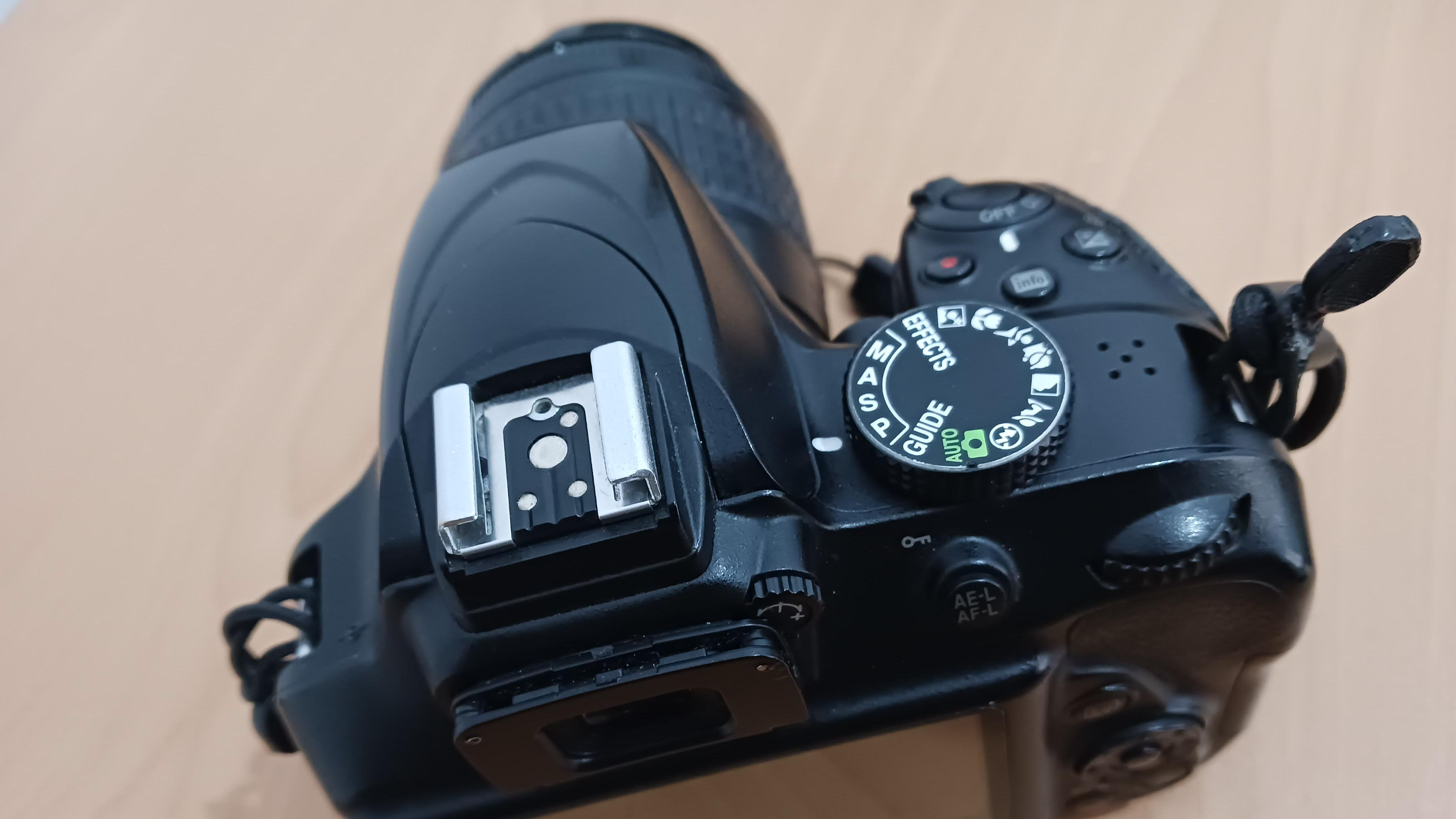
S 모드(일부 브랜드에서는 Tv 모드라고도 부름)는 셔터 우선 모드 (Shutter Priority Mode)로, 사진 촬영 시 원하는 셔터 속도를 사용자가 직접 설정하고, 나머지 노출 요소(주로 조리개 값)는 카메라가 자동으로 결정하는 반자동 모드입니다. 이 모드는 사용자에게 동작을 표현할 수 있는 창의적 제어권을 부여하면서도, 노출 계산의 복잡함은 카메라에 맡길 수 있다는 장점이 있습니다.
주요 특징
- 셔터 속도 수동 선택
- 사용자가 원하는 셔터 속도를 직접 지정할 수 있습니다.
- 빠른 셔터 속도를 선택하면 빠르게 움직이는 피사체를 선명하게 포착할 수 있고, 느린 셔터 속도는 동작의 흐름이나 모션 블러 효과를 표현할 때 사용됩니다.
- 자동 조리개 설정
- 사용자가 셔터 속도를 설정하면, 카메라는 남은 노출 요소인 조리개를 자동으로 계산하여 적절한 노출을 맞춥니다.
- 이 과정은 노출계, 히스토그램 등의 보조 기능을 통해 실시간으로 확인할 수 있습니다.
- 노출 삼각형의 일부 제어
- 셔터 속도를 직접 제어하고, 조리개는 자동으로 선택되므로, 셔터 속도와 ISO(일부 카메라에서는 ISO도 수동 또는 반자동 조작 가능)를 통해 노출 삼각형 중 일부를 개별적으로 다룰 수 있습니다.
- 이로 인해 사진가가 주로 동작의 포착이나 모션 아트 효과 등에 초점을 맞출 수 있습니다.
- 즉각적인 반응
- 변화하는 빛의 조건에서도 빠르게 셔터 속도를 변경하여 필요한 효과를 낼 수 있으므로, 스포츠 사진 또는 야외 활동에서 유용합니다.
- 자동으로 조리개 값을 결정하기 때문에, 셔터 속도의 결정에만 집중할 수 있는 장점이 있습니다.
활용 예시
- 동작 포착: 빠른 셔터 속도(예: 1/1000초 이상)를 선택하여 축구 경기나 달리는 자동차 등 빠르게 움직이는 피사체를 날카롭게 포착할 수 있습니다.
- 모션 블러: 느린 셔터 속도(예: 1/30초 이하)를 선택하면, 피사체의 움직임을 부드러운 흐림으로 표현할 수 있습니다. 예를 들어, 야경 촬영 시 자동차의 빛 궤적이나 폭포의 흐르는 물 결을 아름답게 표현할 수 있습니다.
- 상황 반응: 변화하는 조명 조건에서도 사용자가 원하는 셔터 속도를 고정한 채, 카메라가 자동으로 적절한 조리개 수치로 조절해 주므로, 빠른 상황 판단과 촬영이 가능합니다.
장점과 단점
장점
- 창의적 제어: 사진가는 셔터 속도를 직접 설정하여 움직임 표현에 집중할 수 있습니다.
- 반자동 편의성: 노출 계산 중 일부를 카메라에 맡겨, 자동으로 적절한 조리개 값을 선택할 수 있습니다.
- 빠른 반응: 변화하는 조건에서도 신속하게 원하는 셔터 속도를 적용할 수 있어 액션 사진에 적합합니다.
단점
- 제한된 노출 제어: 셔터 속도만 수동 조작되므로, 조리개 값은 카메라의 판단에 맡기게 되어 원하는 심도 표현을 완벽하게 제어하기 어려울 수 있습니다.
- 예상치 못한 설정: 자동 조리개 계산이 항상 의도한 결과를 보장하지 않을 수 있으므로, 때때로 결과가 예상과 다를 수 있습니다.
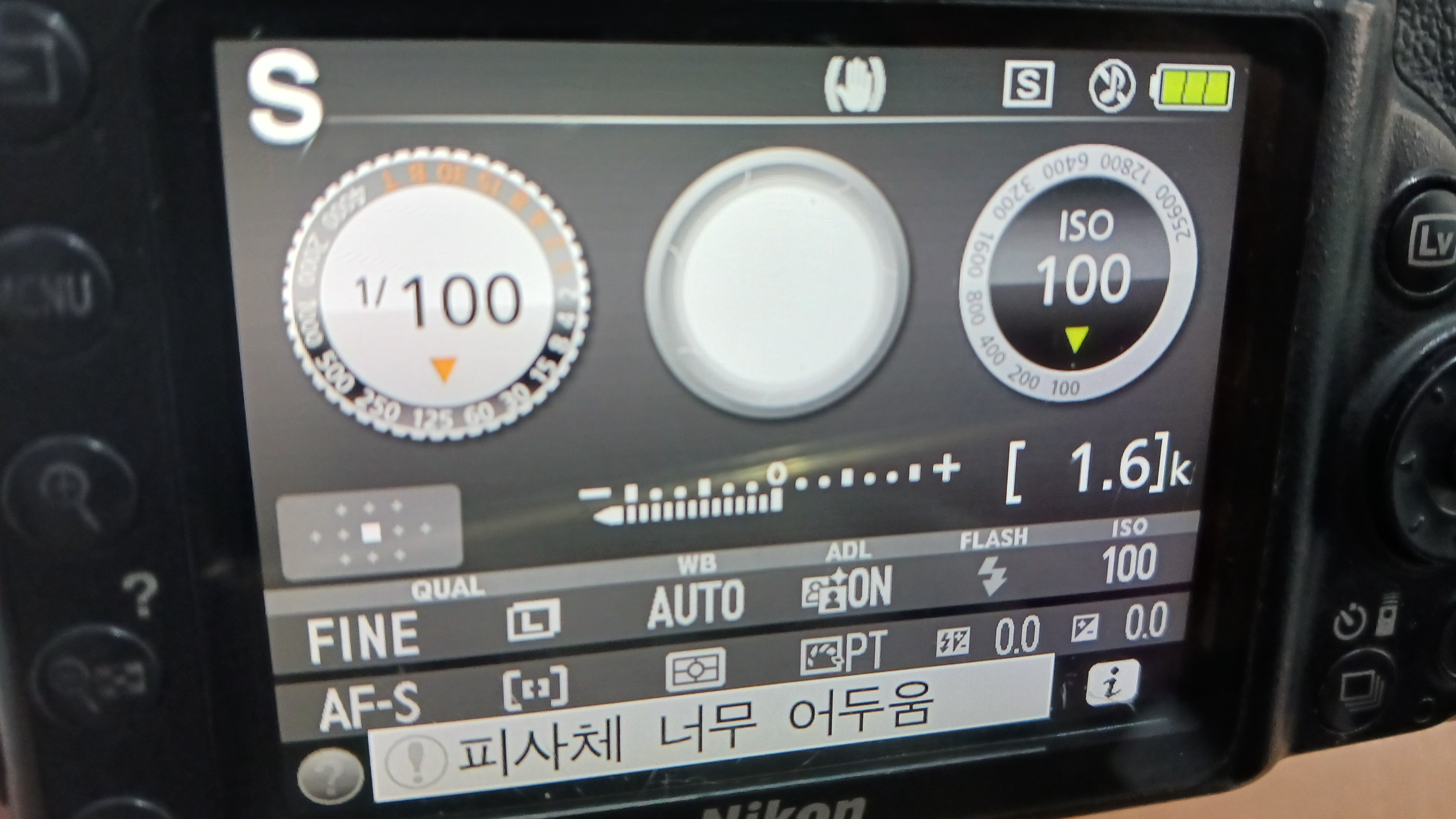
S Mode (also known as Tv Mode on some brands) is the Shutter Priority Mode. In this mode, the photographer manually sets the desired shutter speed, while the camera automatically determines the remaining exposure parameters—primarily the aperture value. This mode allows creative control over motion capture while leaving the complex task of exposure calculation to the camera.
Key Features
- Manual Control of Shutter Speed
- The photographer can directly choose the desired shutter speed.
- A fast shutter speed can be used to sharply capture fast-moving subjects, while a slow shutter speed is useful for expressing motion through blur.
- Automatic Aperture Setting
- Once the shutter speed is set by the user, the camera automatically calculates and adjusts the aperture to achieve proper exposure.
- This adjustment can be monitored in real time through tools like the exposure meter and histogram.
- Partial Management of the Exposure Triangle
- With shutter speed controlled manually and aperture automatically selected, the photographer manages only part of the exposure triangle—primarily focusing on shutter speed (and sometimes ISO, depending on the camera’s options).
- This setup lets photographers concentrate on capturing motion or creating desired motion art effects.
- Immediate Responsiveness
- In quickly changing light conditions, you can rapidly select the desired shutter speed. This makes S Mode especially suitable for sports and outdoor activities.
- Since the aperture is determined automatically, you can focus solely on the shutter speed setting.
Practical Examples
- Capturing Motion: By selecting a fast shutter speed (e.g., 1/1000 sec or faster), you can freeze fast-moving subjects—ideal for sports like soccer or capturing rapidly moving vehicles.
- Creating Motion Blur: Using a slower shutter speed (e.g., slower than 1/30 sec), you can intentionally blur subjects or backgrounds to depict smooth, continuous motion. This is effective for capturing light trails from moving cars or the flowing water of a waterfall at night.
- Quick Adaptation to Changing Conditions: When lighting or subject movement changes rapidly, you can lock in your desired shutter speed and let the camera automatically adjust the aperture, allowing for quick and effective shooting in dynamic environments.
Advantages and Disadvantages
Advantages
- Creative Control: Photographers can manually set the shutter speed to emphasize motion or freeze action according to their creative intent.
- Semi-Automatic Convenience: With the camera automatically selecting the appropriate aperture, you can focus on the shutter speed, making exposure work simpler while still achieving a balanced result.
- Quick Reaction: The ability to rapidly change shutter speed is beneficial in fast-paced shooting environments, allowing you to adapt quickly to changing conditions.
Disadvantages
- Limited Exposure Control: Because only the shutter speed is manually controlled and the aperture is auto-determined, you may have less control over the depth of field and other aspects of the exposure.
- Potential for Unintended Settings: The automatic aperture selection might not always produce the exact creative outcome you intended, sometimes resulting in unexpected exposures.
반응형
'PHOTOGRAPHY' 카테고리의 다른 글
| 사진 구도 기초: 초보자를 위한 카메라 구도 4가지 (삼분할·대칭·프레임·저각) (0) | 2026.04.25 |
|---|---|
| 카메라 & 사진 관련 기본 용어 정리 (0) | 2026.04.04 |
| 카메라 촬영의 3요소 3 Elements of Camera Photography (0) | 2025.03.10 |
| 카메라 A 모드 Camera's A mode (0) | 2025.03.09 |
| 카메라 M 모드 Camera's M mode (0) | 2025.03.09 |
| D-CINELIKE에 시네마틱한 LUTs. Premiere Cinematic LUTs. (0) | 2024.11.22 |
| 오즈모 포켓 1 D-CINELIKE 저조도 상황에서 쓸만한 LUTs. Premiere LUTs. (1) | 2024.11.22 |
| 오즈모 포켓 3 LUTs를 포켓 1 D-CINELIKE에 사용하기. Osmo Pocket 3 LUT. (1) | 2024.11.22 |